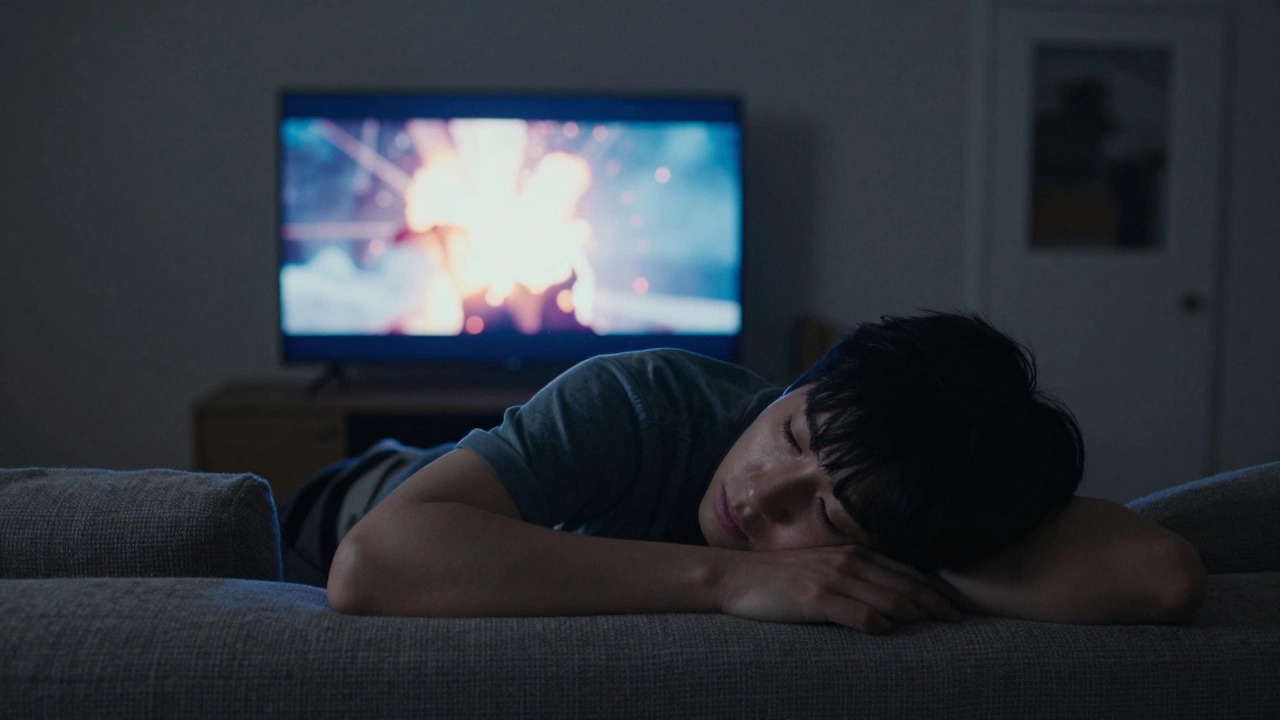
It’s easy to look away. You scroll past another explosion, another fist flying, another villain getting taken out with a single shot. The screen fades to black. Credits roll. You feel nothing. That’s the point. Entertainment doesn’t just show violence-it wraps it in glamour, sells it as justice, and calls it art. But when every movie, game, and show makes brutality look cool, quiet, and inevitable, something deeper changes. We stop seeing it as a problem. We start seeing it as a punchline.
There’s a strange comfort in it. A kind of emotional shorthand. You don’t need to think about why someone’s angry. You don’t need to understand their trauma. You just need to watch them break something-someone-harder than the last time. And somewhere in the back of your mind, you think: At least it’s not real. But what if the line between fantasy and reality isn’t as clean as we pretend? What if the repeated image of a woman being dragged into a car by a stranger in a Netflix thriller quietly makes us less likely to call the police when we see it happen on the street? You can find real-life versions of those scenes online, like escort paris 11, where the line between performance and exploitation blurs in ways no scriptwriter would dare admit.
Violence as a Product
Entertainment doesn’t just reflect culture-it shapes it. And when violence becomes the most reliable way to grab attention, studios and streamers have one rule: more blood, faster cuts, louder bangs. Look at the box office. Action movies with body counts over ten consistently outperform quiet dramas by 300%. Games with realistic gunplay sell millions. TV shows that kill off main characters in the first episode get more buzz than ones that build relationships over seasons. It’s not accidental. It’s business.
Think about the last time you watched a hero shoot someone point-blank in the head. Did you flinch? Or did you cheer? Now think about the last time you saw someone cry after losing a loved one. Did you pause the show? Did you feel it? The difference isn’t in the writing. It’s in the conditioning. We’ve been trained to respond to violence with excitement, not sorrow.
The Quiet Cost
There’s no study that says watching a car chase makes you drive faster. But there are dozens that show repeated exposure to media violence lowers emotional responsiveness. People become numb. They stop noticing. They stop caring. In one 2023 experiment, researchers showed participants the same violent scene five times. By the fifth viewing, their heart rates barely changed. Their brain scans showed less activity in areas tied to empathy. They didn’t just get used to it-they forgot to feel it.
This isn’t about banning movies. It’s about noticing how often we let violence replace meaning. A character’s arc used to be about redemption. Now it’s about revenge. A love story used to be about patience. Now it’s about possession. Even comedy leans into cruelty. Think about the most popular TikTok trends: people getting pranked, humiliated, or pushed. The laughter isn’t just at the victim-it’s because we’ve been taught to see suffering as entertainment.
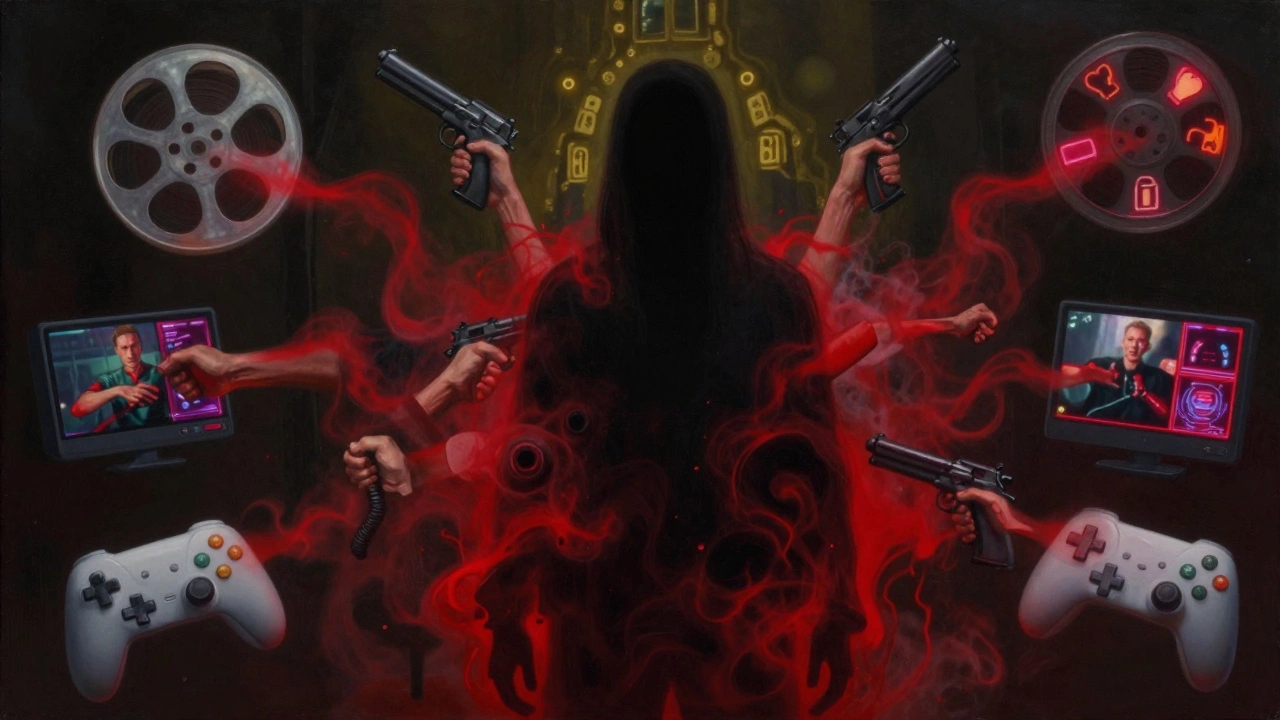
Escaping the Cycle
There are exceptions. Shows like Severance or The Bear prove audiences will sit with silence, grief, and complexity. But they’re outliers. They don’t get the same budget. They don’t get the same push. The system rewards spectacle, not subtlety. So the easy way out keeps winning.
But you don’t have to play along. You can choose what you watch. You can mute the next explosion. You can skip the next shootout. You can ask: What’s this scene really saying? You can support creators who build tension without blood. You can reward stories where healing matters more than revenge.
It’s not about being righteous. It’s about being awake.
The Mirror We Refuse to See
Real violence doesn’t have a soundtrack. It doesn’t pause for dramatic close-ups. It doesn’t end with a hero walking away. It leaves broken bones, PTSD, and families who never get closure. But entertainment? It gives us a clean exit. A tidy resolution. A villain who gets what’s coming. That’s the lie.
When we glorify violence in fiction, we’re not just entertaining ourselves. We’re telling the world it’s okay to look away when it happens for real. And that’s the most dangerous thing of all.
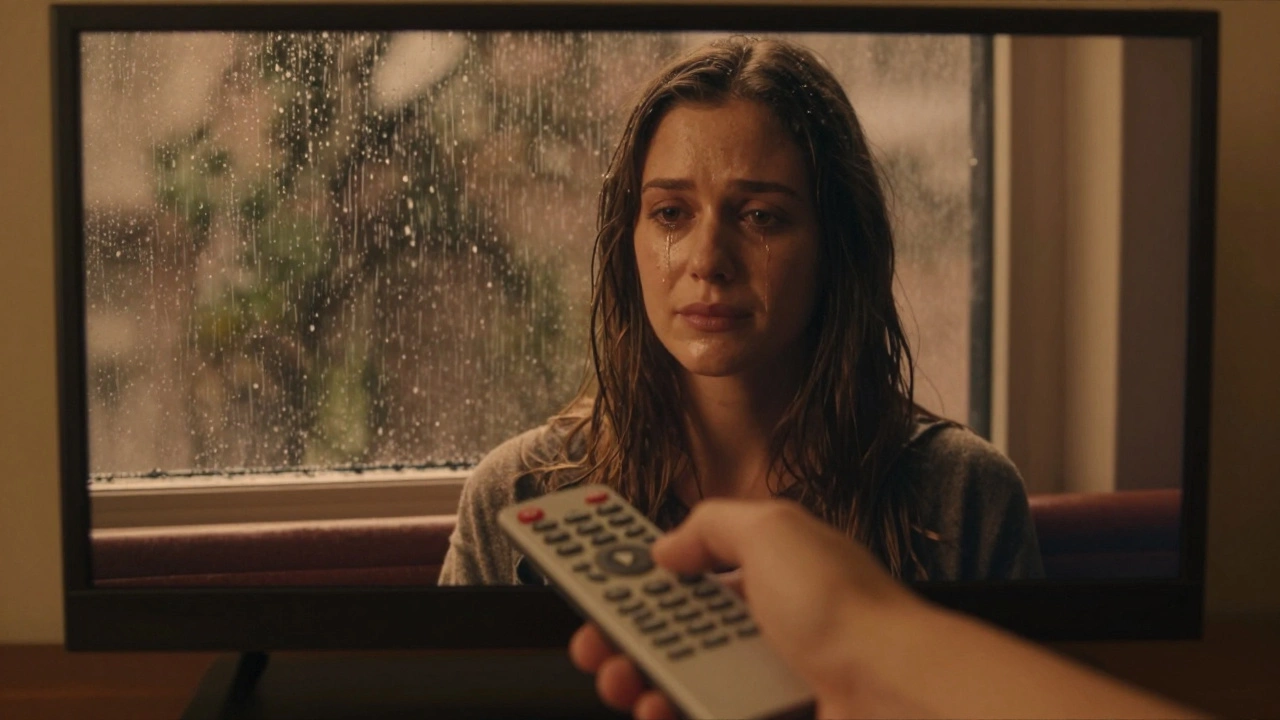
There’s a moment in every film where the camera lingers on the victim’s face. Just for a second. Long enough to make you uncomfortable. Most directors cut it. They don’t want you to feel it. But what if you didn’t let them? What if you paused it? Sat with it? Let yourself feel the weight of what you’re watching?
That’s the first step. Not to stop watching. But to watch differently.
What Happens When We Stop?
Imagine a world where the most popular movie wasn’t about a lone warrior killing fifty men. What if it was about a single person choosing to walk away? What if the hero didn’t fight back-but spoke up? What if the climax wasn’t a gunfight, but a conversation?
It’s not fantasy. It’s been done. Manchester by the Sea didn’t have a single fight. It had grief. And it won Oscars. Parasite didn’t need a chase scene. It had class rage. And it made history.
People will watch. They just need to be shown something worth watching.
And maybe, just maybe, when we stop feeding the machine, it’ll stop feeding us.
There’s a quiet kind of power in refusing to look. In saying: I won’t normalize this. Not today. Not again.
That’s the real revolution. Not the one with guns. The one with your remote.
It’s not about being perfect. It’s about being present.
Next time you’re about to hit play, ask yourself: Am I watching to feel something-or to feel nothing at all?
And if you choose the latter? That’s okay. But don’t pretend it’s art.
Escort girl paris 12 is just one example of how real life gets packaged as fantasy-sold as choice, wrapped in glamour, stripped of consequence. The same system that sells that image sells the ones where fists fly and bodies drop. The same logic applies.
And escort paris 7? It’s not about the service. It’s about the story we tell ourselves while we watch it unfold.